

Sustainable Luxury Packaging Trends in 2026
Luxury packaging has traditionally been associated with premium materials, elaborate finishes, substantial structures, and highly detailed presentation. In 2026, however, brands are increasingly looking for ways to maintain that high-end experience while making more thoughtful decisions about materials, construction, and the amount of packaging they use.
For beauty, fragrance, fashion, jewelry, specialty retail, and other premium brands, sustainability does not have to mean sacrificing presentation. Thoughtful structural design, material selection, and finishing techniques can create packaging that feels luxurious while supporting a brand’s broader sustainability goals.
Here are some of the sustainable luxury packaging trends shaping premium packaging in 2026.
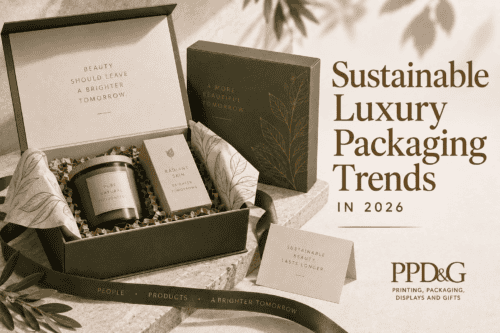
1. Premium Packaging With Less Material
Luxury doesn’t necessarily require more packaging.
One of the most important trends in sustainable luxury packaging is reducing unnecessary layers while making the materials that remain feel intentional. Instead of oversized boxes, excessive inserts, or multiple decorative components, brands can use carefully engineered structures to create a premium experience with fewer materials.
Right-sizing a package around the product can also reduce empty space and potentially improve shipping efficiency.
The result can be packaging that feels refined rather than excessive.
2. Recycled Materials With a Premium Appearance
Recycled-content packaging no longer has to look utilitarian.
Depending on the application, recycled paperboard, chipboard, corrugated materials, and specialty papers can be incorporated into sophisticated packaging structures while still supporting high-quality printing and finishing.
Material selection should be considered early in the design process, particularly when packaging requires precise color reproduction, specialty printing, embossing, foil stamping, or other decorative elements.
The objective is to find a material that supports both the desired aesthetic and the performance requirements of the package.
3. Reusable Luxury Packaging
For premium brands, one way to extend the usefulness of packaging is to create something customers want to keep.
Well-designed rigid boxes can potentially be reused for storing cosmetics, jewelry, accessories, documents, keepsakes, or other personal items after the original product is removed.
Reusable structures are particularly relevant for fragrance collections, luxury cosmetics, gift sets, influencer kits, limited-edition releases, and other products where packaging is already an important part of the experience.
Designing packaging with a useful second life can add perceived value while extending the package’s role beyond the initial unboxing.
4. Paper-Based Inserts and Interior Components
The interior of luxury packaging is receiving just as much attention as the exterior.
Custom inserts are often necessary to secure products and create an organized presentation, but brands are increasingly evaluating whether paperboard, corrugated, or molded fiber structures can replace certain plastic components.
The appropriate insert depends on the product.
Heavy glass bottles, delicate cosmetic containers, electronics, and other fragile products may have different cushioning and structural requirements. The priority should remain protecting the product while identifying opportunities to simplify the packaging system.
A well-designed insert can provide protection while creating a clean, intentional product reveal.
5. Minimalist Design With High-Impact Details
Sustainable luxury packaging in 2026 is increasingly defined by restraint.
Rather than covering every surface with decorative elements, brands can use a smaller number of carefully selected details to create visual impact.
A minimalist package might combine a premium paper wrap with one distinctive finishing technique, such as:
- Foil stamping
- Embossing or debossing
- Specialty printing
- Textured papers
- Custom typography
- Subtle interior printing
- Strategic use of brand colors
The result can feel sophisticated without requiring an excessive number of materials or decorative components.
6. Designing Packaging for Easier Material Separation
Luxury packaging frequently combines paperboard, plastics, foams, magnets, ribbons, laminates, and other materials. While these combinations can create a distinctive package, they can also make end-of-life disposal more complicated.
One emerging consideration is designing packaging so components can be more easily separated when appropriate.
For example, a removable insert may be easier for a consumer to separate from the outer box than an interior structure permanently bonded to it.
Brands pursuing recyclability goals should discuss the entire packaging construction with their manufacturer rather than evaluating individual materials in isolation.
7. Sustainable Unboxing Experiences
An impressive unboxing experience doesn’t have to depend on excessive packaging.
Structural design can create anticipation through the way a package opens, how products are positioned, and how information is revealed.
Hinged rigid boxes, lift-off lids, sleeves, drawers, layered paperboard inserts, and other structures can create a sense of discovery while keeping the package visually organized.
Printed messaging on the interior can also replace separate cards or promotional components in some applications.
For luxury brands, the goal is to make every packaging component contribute to the experience.
8. Right-Sized Packaging for E-Commerce
Luxury brands selling directly to consumers must consider what happens after the package leaves the production floor.
Oversized retail or presentation packaging may require larger shipping cartons, additional void fill, and more space throughout storage and transportation.
Designing around realistic product dimensions can help reduce unnecessary volume while still maintaining a premium presentation.
Brands should also consider whether the luxury package itself provides sufficient protection for distribution or whether it should be paired with a separate shipping container.
Creating the retail and shipping packaging together can help avoid unnecessary materials later in the fulfillment process.
9. Natural Textures and Material-Led Design
Premium packaging doesn’t always need glossy laminates or highly processed surfaces to communicate luxury.
Natural-looking papers, subtle textures, muted colors, uncoated surfaces, and tactile materials can create a sophisticated aesthetic while reinforcing a brand’s sustainability positioning.
This approach can be particularly effective for skincare, wellness, beauty, specialty food, fashion, and lifestyle brands.
Instead of disguising the packaging material, the material itself becomes part of the design.
10. More Specific Sustainability Messaging
As sustainability becomes a larger part of brand positioning, companies also need to consider how they communicate environmental attributes.
Broad claims such as “eco-friendly” or “green” may not provide consumers with meaningful information about what makes a package more sustainable.
When appropriate and supportable, more specific messaging can communicate attributes such as recycled content, reduced material usage, recyclability, or instructions for separating packaging components.
The physical package and the claims printed on it should support the same sustainability story.
What Should Brands Consider When Designing Sustainable Luxury Packaging?
There isn’t one material or package structure that will be the best choice for every luxury product. Packaging needs to protect the item, survive distribution, support the desired brand experience, and remain practical to manufacture.
When developing sustainable luxury packaging, brands should consider:
- Overall material usage
- Recycled-content opportunities
- Recyclability of packaging components
- Opportunities to eliminate unnecessary components
- Product protection requirements
- Custom insert materials
- Package size and shipping efficiency
- Printing and finishing requirements
- Ease of separating different materials
- Potential for package reuse
- Customer unboxing experience
- Sustainability claims and disposal instructions
These considerations are most effective when addressed during the initial packaging design process rather than after a structure has already been developed.
Sustainable Luxury Packaging Starts With Good Design
Luxury and sustainability don’t have to be competing packaging objectives. Thoughtful design can help brands reduce unnecessary materials, explore recycled-content options, improve packaging efficiency, and create memorable presentation experiences while maintaining the premium appearance customers expect.
At PPD&G, we provide custom packaging solutions designed around your specific products, brand requirements, and sustainability goals. From custom rigid boxes and presentation packaging to inserts, specialty finishes, and promotional packaging, our team can help transform your concept into a finished packaging solution.
Planning a sustainable luxury packaging project in 2026? Contact PPD&G or Request a Quote to discuss your custom packaging needs.