

Sustainability continues to influence how cosmetic brands approach product packaging. From skincare and makeup to fragrances, haircare, and personal care products, brands are looking for ways to reduce unnecessary materials while maintaining the premium appearance, durability, and functionality customers expect.
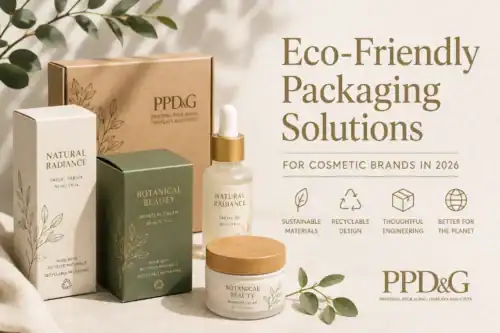
In 2026, eco-friendly cosmetic packaging is about more than simply choosing a recyclable material. Brands should consider the entire packaging system, including material selection, package size, structural design, printing, coatings, inserts, shipping efficiency, and what happens to the packaging after it reaches the customer.
For cosmetic brands developing new packaging or updating an existing program, the following strategies can help create more sustainable packaging without sacrificing presentation.
1. Reduce Packaging Material Where Possible
One of the most straightforward ways to improve packaging sustainability is to use less material.
Cosmetic products often rely on secondary packaging to protect delicate containers, create shelf presence, or provide a premium unboxing experience. However, oversized boxes, unnecessary layers, and excessive inserts can increase material consumption and shipping volume.
Brands can work with their packaging manufacturer to right-size boxes around the product and eliminate components that do not contribute to protection, presentation, or functionality.
Thoughtful structural design can help reduce material use while still providing the polished appearance expected from cosmetic packaging.
2. Choose Recyclable Packaging Materials
Paperboard and corrugated materials are important options for cosmetic brands looking to improve package recyclability. Depending on the packaging requirements, brands may be able to use recyclable paper-based structures for folding cartons, rigid boxes, displays, gift sets, and shipping packaging.
Material selection should account for more than appearance. Packaging designers must also consider the product’s weight, fragility, distribution environment, and required level of protection.
Whenever possible, simplifying the number and types of materials used within a package can also make it easier for consumers to understand how to dispose of individual packaging components properly.
3. Incorporate Recycled Content
Using packaging materials containing recycled content can help reduce reliance on virgin materials.
Depending on structural and aesthetic requirements, cosmetic brands may be able to incorporate recycled paperboard, chipboard, corrugated material, or other recycled-content substrates into their packaging.
The appropriate percentage and type of recycled content will depend on the application. Premium cosmetic packaging, for example, may require specific surface characteristics to achieve precise printing, embossing, foil stamping, or other decorative effects.
Working with an experienced packaging manufacturer can help brands balance sustainability goals with structural and visual requirements.
4. Reconsider Plastic Inserts
Plastic inserts have traditionally been used to hold cosmetic products securely inside boxes, kits, and displays. In some applications, however, paperboard or molded fiber alternatives may provide the necessary product protection while reducing the amount of plastic within the package.
Cosmetic brands should evaluate inserts based on the specific product rather than automatically selecting one material.
Glass bottles, jars, pumps, applicators, and other components may require different levels of cushioning and support. A properly engineered insert can protect the product while minimizing unnecessary material.
5. Design Packaging for Reuse
Not every sustainable packaging strategy has to focus exclusively on disposal.
Premium cosmetic packaging can also be designed with reuse in mind. Well-constructed rigid boxes, presentation boxes, and gift boxes may continue to serve a purpose after the original product has been removed.
A reusable package can be designed for storing cosmetics, accessories, samples, or other personal items. This approach is particularly relevant for luxury skincare, fragrance collections, influencer kits, limited-edition products, and cosmetic gift sets where the packaging itself is part of the product experience.
6. Simplify Printing, Coatings, and Decorative Finishes
Specialty printing and finishing can transform a simple package into distinctive branded packaging, but brands should evaluate which decorative elements are truly necessary.
In 2026, effective cosmetic packaging does not necessarily mean adding more finishes. Strategic use of typography, structural design, color, embossing, debossing, and carefully selected decorative elements can create a premium appearance without overwhelming the package.
Brands pursuing specific recyclability or sustainability goals should discuss inks, laminations, coatings, adhesives, foils, and other finishing options with their packaging supplier early in the design process. Some decorative treatments may affect how a finished package can be recycled.
7. Consider Shipping Efficiency During Package Design
Sustainable cosmetic packaging extends beyond the retail box itself.
Package dimensions can affect how many products fit into a shipping case, onto a pallet, and into a delivery vehicle. Even relatively small reductions in package dimensions can improve packing efficiency when products are manufactured and distributed at scale.
Right-sizing packaging can potentially reduce corrugated shipping material, void fill, storage requirements, and transportation volume.
For brands selling directly to consumers, packaging should also be designed with e-commerce fulfillment in mind. A package that looks attractive on a retail shelf may require additional protection when shipped individually through a parcel delivery network.
8. Avoid Sustainability Claims That Are Difficult to Support
As consumers and regulators pay closer attention to environmental marketing, cosmetic brands should be precise about the sustainability claims appearing on their packaging.
Broad terms such as “green,” “environmentally friendly,” or “100% sustainable” can be difficult to substantiate when the underlying environmental benefit is unclear.
Instead, brands should focus on specific, supportable attributes when appropriate, such as the percentage of recycled content, reduced material usage, recyclability, or removal of a particular packaging component.
Packaging sustainability should be measurable whenever possible rather than based solely on marketing language.
What Should Cosmetic Brands Look for in Sustainable Packaging?
There is no single packaging material or structure that will be the most sustainable choice for every cosmetic product.
A lightweight folding carton may be appropriate for one product, while another may require a rigid box and engineered insert to prevent a glass container from breaking. Choosing packaging that fails to adequately protect the product can ultimately create additional waste through damaged goods, returns, and replacements.
When developing eco-friendly cosmetic packaging, brands should consider:
- The amount of material required
- Recycled-content opportunities
- Recyclability of individual components
- Number of different materials used
- Product protection requirements
- Package dimensions and shipping efficiency
- Printing, coating, adhesive, and finishing requirements
- Opportunities to eliminate unnecessary plastic
- Potential for package reuse
- Clear end-of-life instructions for consumers
The right solution balances sustainability with performance, manufacturability, branding, cost, and the realities of the product’s distribution environment.
Sustainable Cosmetic Packaging Starts With Good Design
Choosing eco-friendly materials is an important part of creating more sustainable cosmetic packaging, but materials are only one piece of the process. Your packaging also needs to account for the product, dimensions, structural requirements, branding, printing and finishing processes, shipping conditions, and overall customer experience.
At PPD&G, we provide custom packaging solutions designed around your specific cosmetic products, brand requirements, and sustainability goals. From custom boxes and retail packaging to rigid setup boxes, displays, and specialty packaging solutions, our team can help turn your packaging concept into a finished product.
Planning a new cosmetic packaging project for 2026? Contact PPD&G to discuss your custom packaging needs.